A simple meal can feel incomplete without the right accompaniment. For many Indian families, that extra burst of flavour comes from a spoonful of pickle.
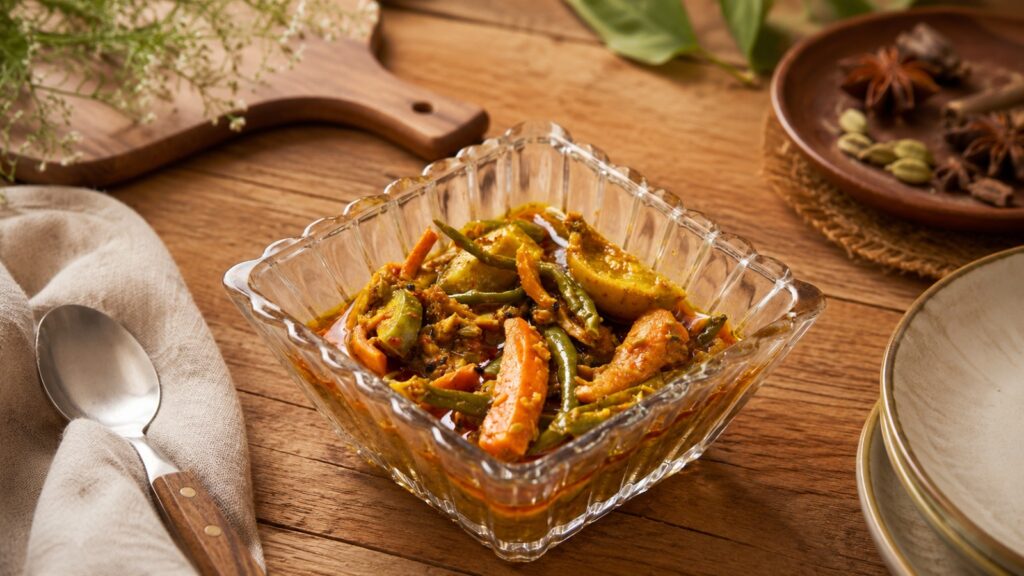
Whether it is tangy mango pickle with parathas, spicy green chilli pickle with dal and rice, or sweet and sour lemon pickle with a traditional meal, pickles have a special place on the dining table.
But have you ever noticed why a homemade pickle often feels more satisfying than a store-bought one?
The answer is not just nostalgia. Homemade pickles are often appreciated for their fresh ingredients, carefully selected spices, traditional preparation methods, and distinctive flavours that develop over time.
A jar of pickle can also carry memories. It may remind you of watching someone in the family prepare spices, cut fresh mangoes, or carefully store the pickle for future meals.
In this guide, we explore why homemade pickles taste better than store bought pickles and what makes traditional, small-batch pickles so special.
Why Homemade Pickles Taste Better Than Store Bought Pickles
1. Fresh Ingredients Create More Natural Flavour
The quality of a pickle begins with its ingredients. Fresh mangoes, lemons, chillies, garlic, and vegetables each bring their own natural flavour. When these ingredients are combined with carefully selected spices, they create a taste that feels vibrant and distinctive.
Homemade pickle preparation often focuses on the character of the main ingredient rather than simply creating one standard flavour.
The Difference Fresh Produce Can Make
Imagine biting into a piece of mango pickle where you can still enjoy the tanginess of the mango along with the warmth of traditional spices.
Or think about a green chilli pickle where the natural heat of the chilli is balanced with spices and seasoning.
Fresh ingredients can help create layers of flavour that make every variety feel unique.
2. Traditional Spices Add Depth and Character
One of the biggest reasons homemade pickles taste better than store bought pickles is the way spices are used.
Traditional Indian pickles may include combinations of mustard, fennel, fenugreek, chilli, turmeric, and other spices depending on the recipe.
The balance matters. Too much of one spice can overpower the main ingredient. Too little can leave the pickle tasting flat. A carefully prepared recipe brings these flavours together so that the tanginess, spice, sweetness, and aroma complement one another.
Home Crushed Spices Create a Distinctive Experience
Freshly prepared or carefully selected spice blends can offer a more aromatic and complex flavour.
This is one reason why two mango pickles may taste completely different even though both use mangoes and Indian spices. The recipe, spice balance, preparation method, and maturation process can all influence the final taste.
3. Homemade Pickles Can Be Made in Small Batches
Small-batch preparation allows greater attention to each stage of the process. From selecting produce to mixing spices and preparing the final jar, careful handling can influence consistency and flavour.
Large-scale production is designed to create a consistent product across many units. Homemade or small-batch preparation, on the other hand, can focus more closely on the recipe and individual ingredients.
Why Small Batches Feel More Personal
A small batch does not feel like just another product on a shelf. It can reflect the care taken in choosing ingredients and following a familiar recipe. This personal connection is part of what makes homemade food appealing to many people.
The experience is not only about eating a pickle. It is about enjoying a flavour that feels closer to a traditional home kitchen.
4. Traditional Recipes Create Familiar and Memorable Flavours
Many pickle recipes are inspired by methods passed down through families and generations.
A traditional mango pickle may have a bold and tangy profile, while a sweet and sour lemon pickle may offer a completely different experience.
These recipes often develop their own identity through years of preparation and family preferences.
Every Family Recipe Can Taste Different
You may have experienced this yourself.
One family prefers a spicy mango pickle. Another enjoys a sweeter version. Someone may love garlic pickle with strong spices, while another prefers a lighter chilli pickle.
That variety is part of the beauty of homemade pickles.
Traditional recipes are not always about making every jar taste identical. They are about preserving a particular style of flavour.
5. Homemade Pickles Offer a Wider Variety of Flavours
A good pickle collection can bring something different to every meal.
Mango pickle offers tanginess. Green chilli pickle brings heat. Garlic pickle provides a bold, aromatic taste. Lemon pickle can balance sweet and tangy notes.
Mixed pickles bring several ingredients together, creating a colourful combination of textures and flavours.
Choosing a Pickle Based on Your Meal
Different pickles can complement different foods:
- Mango pickle can pair beautifully with parathas and traditional Indian meals.
- Green chilli pickle can add heat to simple dal and rice.
- Garlic pickle can bring bold flavour to everyday meals.
- Lemon pickle can offer a sweet and tangy contrast.
- Mixed pickle can add variety to a simple lunch or dinner.
- Stuffed red chilli pickle can be enjoyed by those who prefer a rich, spicy flavour.
This variety makes homemade pickles more than just a side dish. They can completely change the flavour experience of a meal.
6. The Flavours Have Time to Develop
Pickle-making is not always about instant results.
After the ingredients and spices are combined, the flavours need time to come together. During this period, the spices, oil, salt, and main ingredients gradually develop a more balanced character.
Why Maturation Matters
A freshly mixed pickle may taste very different from one that has had time for its flavours to blend.
The tanginess may become smoother, the spices may spread more evenly, and the overall taste may feel more balanced.
This slow development is one of the reasons traditional pickles can have such depth.
Homemade Pickles vs Store Bought Pickles
| Feature | Homemade Pickles | Store Bought Pickles |
| Preparation style | Often prepared using traditional or small-batch methods | Typically produced on a larger scale |
| Flavour | Can have a distinctive recipe-specific taste | Often designed for product consistency |
| Ingredients | May focus on carefully selected produce and spices | Varies depending on the product and manufacturer |
| Spice blends | Can follow traditional family recipes | Usually standardised for consistency |
| Variety | Can offer unique and regional-style flavours | Depends on the available product range |
| Personal connection | Often associated with home cooking and family traditions | Usually focused on convenience and availability |
| Freshness experience | Depends on preparation and handling | Depends on manufacturing and shelf-life practices |
The comparison does not mean that every homemade pickle is automatically better than every packaged product. Quality depends on ingredients, hygiene, preparation, storage, and the individual product.
However, many people prefer homemade pickles because of their traditional flavours and the personal connection they associate with home style food.
What to Look for When Choosing a Good Homemade Pickle
If you are buying homemade pickles, a few simple factors can help you make a better choice.
- Look for clear ingredient information.
- Choose flavours that match your taste preferences.
- Check for proper packaging and storage guidance.
- Follow the recommended serving and handling instructions.
- Use a clean, dry spoon to avoid introducing moisture or contamination.
- Consider whether you prefer spicy, tangy, sweet, or mixed flavours.
- Review allergen information, especially for products containing ingredients that may not suit everyone.
Choosing the right pickle is ultimately about finding a flavour that you genuinely enjoy and a product prepared with appropriate attention to quality and food handling.
How Homemade Pickles Add More Enjoyment to Everyday Meals
A pickle may be served in a small quantity, but its impact on a meal can be surprisingly big.
Imagine a simple plate of hot rice and dal. Add a little spicy chilli pickle, and the flavour profile changes.
A plain paratha can become more exciting with tangy mango pickle. A simple family meal can feel more complete with lemon, garlic, or mixed pickle on the side.
That is the charm of a good homemade pickle. It does not need to dominate the meal. It simply adds character.
A Spoonful Can Bring Back Memories
Food is closely connected with memory. For many people, the smell of mustard oil or the taste of a particular mango pickle can bring back memories of family lunches, holidays, or meals prepared at home.
That emotional connection cannot easily be measured, but it is one of the reasons traditional homemade foods continue to be loved.
Popular Homemade Pickle Choices for Different Tastes
For Tangy Flavour Lovers
Mango and lemon pickles can be excellent choices for people who enjoy a sharp, tangy taste.
For Those Who Love Spicy Food
Green chilli and stuffed red chilli pickles can bring bold heat and strong flavours to meals.
For Bold and Aromatic Taste
Garlic pickle can be a great option for those who enjoy a rich and distinctive flavour.
For Sweet and Tangy Preferences
Sweet and sour mango or lemon pickle varieties can offer a pleasant balance between contrasting flavours.
For People Who Love Variety
Mixed pickles bring together multiple ingredients and textures, making each bite slightly different.
Expert Insights
The secret behind a memorable pickle is not simply how spicy or tangy it is. A good pickle depends on balance.
The main ingredient should remain recognisable. The spices should add character without completely overpowering it. Proper preparation and handling are also important for both flavour and food quality.
When choosing or serving pickles, it is wise to follow the product’s storage instructions and use clean, dry utensils. This helps maintain the product’s intended quality after opening.
Traditional recipes also show why consistency does not always mean sameness. A carefully prepared homemade pickle can have its own personality, shaped by the ingredients, spices, and recipe behind it.
Final Thoughts
So, why do homemade pickles taste better than store bought pickles?
For many people, the answer lies in the combination of fresh ingredients, carefully balanced spices, traditional recipes, small-batch preparation, and the comforting connection to home-style food.
From bold mango pickle and spicy green chilli pickle to aromatic garlic pickle and sweet and tangy lemon varieties, every flavour can bring something different to the table.
A good pickle does more than add spice. It can bring balance to a meal, create memorable flavours, and remind us why traditional recipes continue to hold a special place in our kitchens.
If you enjoy authentic flavours and the warmth of home-style food, homemade pickles can turn even a simple meal into something more memorable.
At Annie’s Home Kitchen, our homemade pickles are inspired by traditional flavours, prepared with carefully selected ingredients, authentic spices, and the warmth of family style recipes.
People Also Ask
1. Why do homemade pickles taste better?
Homemade pickles are often appreciated for their traditional recipes, carefully selected ingredients, balanced spices, and distinctive home-style flavours.
2. What is the difference between homemade and store bought pickles?
Homemade pickles are often prepared in smaller batches using recipe-specific spice blends, while store-bought pickles are generally produced for larger-scale consistency and convenience.
3. Are homemade pickles made with fresh ingredients?
Homemade pickle recipes commonly use fresh fruits, vegetables, chillies, garlic, and spices. The exact ingredients depend on the specific recipe and product.
4. Which homemade pickle is best for everyday meals?
The best choice depends on your taste. Mango, green chilli, garlic, lemon, and mixed pickles can all complement everyday Indian meals in different ways.
5. How should homemade pickles be stored after opening?
Always follow the storage instructions provided with the specific product. Use a clean, dry spoon and avoid introducing moisture or contamination into the jar.
6. Why are traditional Indian pickles so flavourful?
Traditional Indian pickles combine fruits or vegetables with carefully balanced spices, salt, and other recipe-specific ingredients. Time can also help the flavours blend and develop.
7. Are small batch homemade pickles different from mass produced pickles?
Small-batch and mass-produced pickles can differ in preparation methods, recipe style, and production scale. The final quality depends on the ingredients, hygiene, handling, and specific product.