There is something special about opening a jar of pickle and instantly getting that familiar burst of spice, tang, and homemade goodness. For many families, pickles are more than a side dish – they are a small part of everyday comfort.
But as shoppers pay closer attention to food labels and ingredients, a simple question is becoming more common: Why preservative free pickles are becoming a popular choice?
The answer comes down to a growing preference for simple ingredients, traditional preparation methods, authentic flavours, and food that feels closer to homemade cooking.
Preservative free pickles can be made with familiar ingredients such as fresh vegetables or fruits, spices, salt, oil, vinegar, and other traditional ingredients. When prepared and stored properly, they can offer the rich taste many pickle lovers are looking for without relying on added chemical preservatives.
What Are Preservative Free Pickles?
Preservative free pickles are pickles made without intentionally adding chemical preservatives to extend their shelf life.
Instead, traditional preservation methods may rely on ingredients and techniques such as salt, oil, acidity, spices, fermentation, or controlled preparation and storage.
For example, a traditional mango pickle may get much of its distinctive character from raw mangoes, mustard, chilli, salt, spices, and oil. Each ingredient contributes to its flavour while traditional preparation helps create the pickle’s familiar taste and texture.
It is important to remember that preservative free does not automatically mean healthier or safer in every situation. Proper hygiene, preparation, packaging, storage, and following the product’s storage instructions remain important.
5 Reasons Preservative Free Pickles Are Gaining Attention
1. A Preference for Simpler Ingredients
Many consumers are becoming more interested in knowing exactly what goes into their food.
A long ingredient list can sometimes make shoppers pause. In comparison, a pickle made with recognisable kitchen ingredients can feel more familiar.
This is particularly appealing to people who enjoy traditional Indian foods and prefer recipes inspired by home kitchens.
2. Traditional Flavours Feel More Authentic
Pickling has been part of Indian food culture for generations.
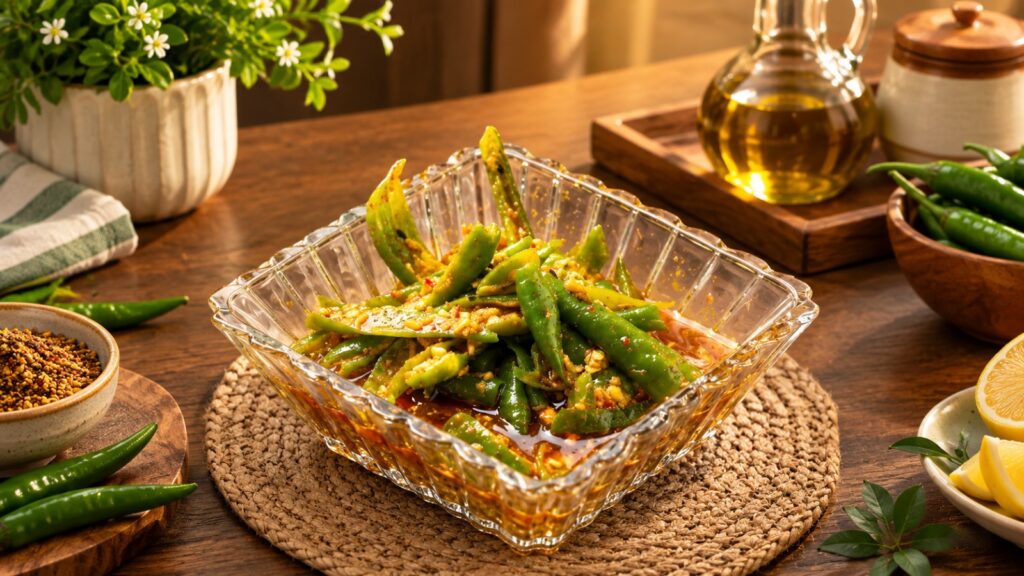
Different regions have their own recipes, ingredients, spice combinations, and preparation techniques. From tangy mango pickle to spicy chilli pickle, traditional recipes are often closely connected to family memories.
Preservative-free recipes can complement this traditional approach by focusing attention on the natural character of the main ingredients and spices.
3. People Are Reading Food Labels More Carefully
A quick look at a modern grocery basket shows how much attention consumers now give to ingredient lists.
People may compare products based on ingredients, preparation methods, added sugar, salt, oils, preservatives, and storage requirements.
For pickle buyers, “preservative-free” can therefore become one useful consideration when choosing between products.
4. Homemade Style Food Has Emotional Appeal
Think about a family lunch with hot rice, dal, vegetables, papad, and a small spoonful of pickle on the side.
The pickle may be only one part of the meal, but it can completely change the experience.
That homemade-style quality is one reason traditional pickles continue to have a strong emotional connection with consumers. Preservative-free options can appeal to people looking for products that reflect this simple, familiar approach to food.
5. Different Flavours Can Be Enjoyed More Naturally
A good pickle should have character.
The sharpness of raw mango, the heat of chilli, the aroma of mustard seeds, or the earthy warmth of traditional spices can create a layered flavour experience.
When a recipe is built around quality ingredients and balanced seasoning, there is less need for the pickle to depend on an overly complicated ingredient profile.
How Preservative Free Pickles Fit Into Everyday Meals
Preservative-free pickles are not limited to traditional Indian thalis. They can easily become part of everyday meals.
With Rice and Dal
A small serving of mango or mixed pickle can add tanginess and spice to a simple dal-rice meal.
With Paratha
Stuffed parathas and pickle are a classic combination. The sharp, spicy flavour of pickle can balance the richness of the paratha.
With Curd or Raita
A little pickle alongside plain curd can create a pleasant contrast between creamy and spicy flavours.
With Snacks
Pickles can also accompany simple snacks, sandwiches, savoury pancakes, or homemade meals when you want an extra burst of flavour.
What Should You Look for When Buying Preservative Free Pickles?
Choosing a pickle is not only about seeing the words “preservative-free” on the label. A few other details deserve attention.
- Ingredient list: Look for ingredients you recognise and understand.
- Preparation quality: Consider how the pickle has been made and packaged.
- Storage instructions: Follow the manufacturer’s recommendations carefully.
- Packaging: A properly sealed jar helps protect the product before opening.
- Flavour profile: Choose a recipe that matches your preferred level of spice, tanginess, and sweetness.
- Product freshness: Check the manufacturing and best-before information.
- Serving size: Pickles are generally enjoyed as a condiment, so a little can go a long way.
Preservative Free vs. Conventional Pickles
| Feature | Preservative Free Pickles | Pickles With Added Preservatives |
| Added chemical preservatives | Not intentionally added | May be included |
| Ingredient preference | Often focuses on familiar ingredients | May contain additional functional ingredients |
| Traditional appeal | Strong association with homemade-style recipes | Depends on the recipe and brand |
| Flavour | Can highlight spices and main ingredients | Varies according to formulation |
| Storage | May require closer attention to storage instructions | Shelf stability depends on formulation |
| Consumer appeal | Popular among shoppers seeking simpler ingredient lists | Preferred by some consumers for convenience and shelf stability |
| Food safety | Depends on proper preparation, packaging, and storage | Also depends on proper preparation, packaging, and storage |
The important point is that preservative free and conventional pickles are not simply “good” versus “bad.” They are different product formulations, and consumers can choose based on their ingredient preferences, taste, storage needs, and eating habits.
Expert Insights: What Really Makes a Good Pickle?
The appeal of a good pickle goes beyond whether preservatives are used.
Quality ingredients, balanced seasoning, appropriate acidity or salt levels, hygienic preparation, proper packaging, and suitable storage all matter.
From a flavour perspective, balance is especially important. A pickle should not be only hot, only sour, or only salty. The best recipes bring several flavours together so that every bite feels satisfying.
For home style pickle lovers, the combination of traditional spices and carefully selected ingredients can make the biggest difference.
And when buying preservative free products, consumers should still read the label and follow storage instructions rather than assuming that “preservative free” means the product can be stored indefinitely.
Why Consumers Are Choosing Preservative Free Options
The growing interest can be understood through a simple shift in shopping habits.
People want to feel more connected to their food. They are curious about ingredients, interested in traditional recipes, and often prefer products that remind them of homemade meals.
That does not mean every consumer wants the same thing. Some may prioritise a simple ingredient list, while others may care more about flavour, convenience, price, or shelf life.
Preservative-free pickles fit naturally into this broader interest in transparent and traditional food choices.
Final Thoughts
Why preservative free pickles are becoming a popular choice is ultimately a story about changing food preferences.
For many pickle lovers, it is about familiar ingredients, traditional flavours, homemade-style recipes, and the simple pleasure of knowing more about what they are eating.
Whether you enjoy a fiery chilli pickle, tangy mango pickle, or a flavourful mixed vegetable variety, choosing a good pickle starts with quality ingredients, careful preparation, and proper storage.
Sometimes, the smallest spoonful on your plate can bring the biggest burst of flavour.
Bring home the comforting flavours of traditional, homemade style pickles with Annie’s Bake House.
Made for pickle lovers who appreciate authentic taste and carefully selected ingredients.
People Also Ask
1. Why are preservative free pickles becoming popular?
Preservative-free pickles are gaining attention because many consumers prefer familiar ingredients, traditional recipes, homemade-style flavours, and simpler ingredient lists.
2. Are preservative free pickles better than regular pickles?
“Better” depends on individual preferences. Preservative-free pickles may appeal to people who prefer products without added chemical preservatives, while other consumers may prioritise shelf life, convenience, flavour, or price.
3. What does preservative free mean in pickles?
It generally means that chemical preservatives have not been intentionally added to the pickle formulation. Other ingredients and traditional preservation methods may still be used.
4. How are preservative free pickles preserved?
Depending on the recipe, traditional methods can include salt, oil, acidity, fermentation, spices, controlled preparation, and appropriate packaging. The exact method varies by product.
5. Do preservative free pickles need refrigeration?
Storage requirements vary by product and preparation method. Always follow the storage instructions provided on the product packaging after opening.
6. Are homemade style preservative free pickles healthy?
A preservative-free label alone does not determine whether a pickle is healthy. Pickles can contain significant amounts of salt, oil, or sugar depending on the recipe, so portion size and overall diet matter.
7. How do I choose a good preservative free pickle?
Check the ingredient list, product freshness, packaging, storage instructions, flavour profile, and preparation information. Choose a product made with ingredients and flavours that suit your preferences.