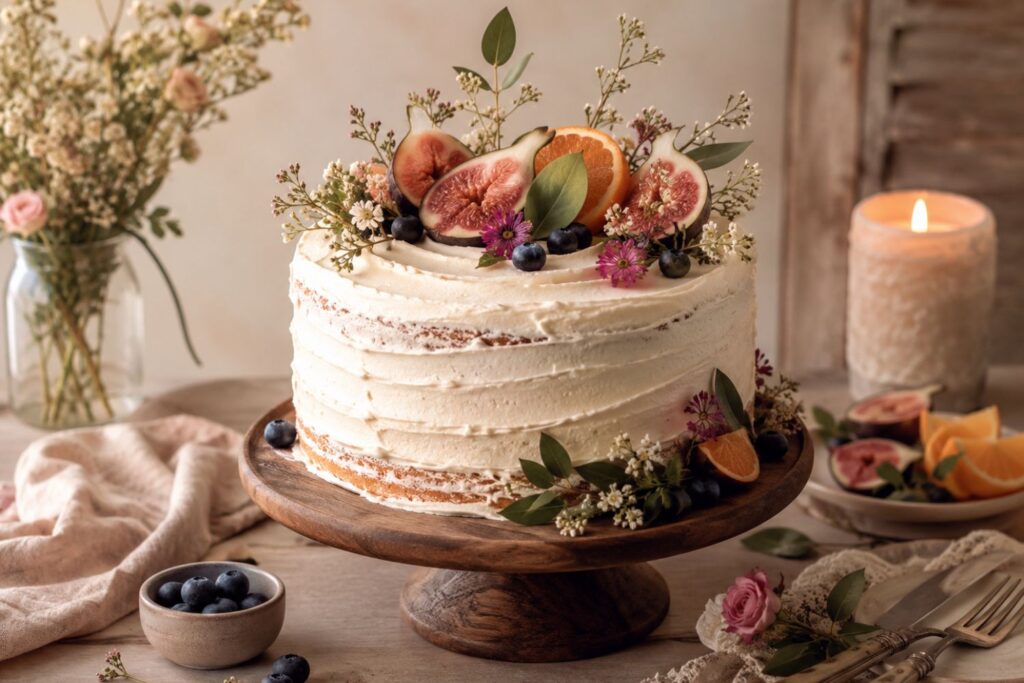
There is nothing quite like cutting into a fresh cake and enjoying its soft, moist texture and delicious flavour. Whether you have brought home a birthday cake, saved a few slices from a family celebration, or baked something special for the weekend, you want every bite to taste just as good as the first.
But improper storage can quickly dry out a cake, affect its texture, or spoil delicate cream toppings. The good news? A few simple storage habits can make a real difference.
Learning how to store fresh cakes at home helps preserve their flavour, moisture, and appearance while reducing food waste. From choosing between room-temperature storage and refrigeration to freezing leftover slices, this guide explains how to keep your favourite cakes fresh and enjoyable for longer.
1. Let Your Cake Cool Completely Before Storing
If you have baked a cake at home, allow it to cool completely before wrapping or covering it. A warm cake releases steam, which can become trapped inside a container and create excess moisture.
This may lead to a sticky surface and an unpleasant texture.
How to cool a freshly baked cake
Place the cake on a cooling rack and allow air to circulate around it. Once it reaches room temperature, cover it with a suitable lid or wrap it securely.
If you have purchased a ready-to-eat cake, you can skip this step and focus on storing it according to its ingredients and toppings.
2. Store Cakes at Room Temperature When Appropriate
Not every cake needs to go into the refrigerator. Plain sponge cakes, pound cakes, and many unfrosted cakes can remain moist at room temperature when stored correctly.
Keep the cake in an airtight container or a covered cake box, away from direct sunlight, heat, and humidity.
How long can a cake stay at room temperature?
Many plain cakes are best enjoyed within two to three days when stored in a cool, clean environment. However, the exact shelf life depends on the recipe, filling, frosting, room temperature, and handling.
In warm or humid weather, cakes may deteriorate more quickly. Avoid leaving perishable cakes out for extended periods.
3. Refrigerate Cakes with Cream or Perishable Fillings
Cakes containing whipped cream, fresh fruit, custard, cream cheese frosting, or other perishable fillings generally need refrigeration.
Place the cake in a cake carrier or a covered container to protect it from drying out and absorbing odours from other foods.
How to refrigerate a cake without drying it out
First, make sure the cake is protected from the cold, dry air inside the refrigerator. Use a suitable airtight container where possible. Keep the refrigerator at 4°C (40°F) or below, and follow the bakery’s storage instructions.
Refrigerate perishable cakes promptly. As a general food-safety rule, do not leave them at room temperature for more than two hours, or one hour when temperatures exceed 32°C (90°F).
4. Protect the Cake from Air and Moisture Loss
Air exposure is one of the main reasons cakes become dry and stale. Even a delicious cake can lose its soft texture if it is left uncovered on a kitchen counter.
Choose the right storage method
For an unfrosted cake, wrap it tightly in food-safe plastic wrap or place it in an airtight container once completely cool.
For a frosted cake, use a covered cake carrier that does not touch or damage the icing. If the frosting is delicate, chill the cake briefly as appropriate before covering it.
For leftover slices, protect the exposed cut surface with food-safe wrap or place each slice in a sealed container.
The goal is simple: reduce unnecessary air exposure without trapping steam or compromising food safety.
5. Know When to Freeze a Cake
Freezing is useful when you want to save cake for a later occasion rather than finish it within a few days.
Many unfrosted cakes freeze well. Some frosted cakes can also be frozen, depending on the frosting, filling, and decoration.
How to freeze cake properly
Allow a freshly baked cake to cool completely. Wrap individual slices or cake layers securely in food-safe freezer wrap, then place them in a freezer-safe container or bag.
Label the package with the date so you know how long it has been stored.
For best quality, many cakes are worth using within two to three months, although the ideal storage period varies by cake type and packaging.
How to thaw frozen cake
Thaw the cake in the refrigerator when it contains perishable ingredients. Keep it wrapped while thawing to help reduce condensation on the surface.
Plain cake portions can sometimes be thawed at room temperature while still protected in their wrapping. Follow appropriate food-safety guidance for the particular cake.
6. Store Different Types of Cakes Correctly
Different cakes require different storage conditions. A method that works for a plain sponge may not be suitable for a cream-filled birthday cake.
Chocolate cake
Chocolate cakes without perishable fillings can often be stored in an airtight container at room temperature for a short period. Cakes with cream-based frosting or filling should be refrigerated when required.
Buttercream cake
Many buttercream cakes can tolerate cool room-temperature storage for a limited time, but the recipe matters. Buttercream made with ingredients that require refrigeration should be kept chilled.
Whipped cream cake
Whipped cream cakes are highly perishable and should be refrigerated promptly. Keep them covered and follow the bakery’s recommended consumption period.
Fresh fruit cake
Cakes topped or filled with fresh fruit generally require refrigeration, especially when combined with cream or custard. Fruit can release moisture, so these cakes are often best enjoyed fresh.
Cheesecake
Cheesecake should be refrigerated because it contains perishable dairy ingredients. Store it in a covered container and follow the recommended shelf life for the recipe or product.
7. Bring Refrigerated Cake to the Right Serving Temperature
Have you ever taken a cake straight from the refrigerator and noticed that it tastes firmer and less flavourful than expected?
Cold temperatures can make cake crumb and frosting feel firmer. Depending on the cake, letting it sit briefly before serving can improve its texture and flavour.
How long should cake sit before serving?
For a cake that is safe to serve at room temperature, allow a short period for it to soften before cutting. For cakes containing cream, custard, or other perishable ingredients, keep the total time outside refrigeration within safe limits.
Avoid leaving a cream cake on the dining table for several hours, particularly during warm weather.
Quick Tips for Keeping Fresh Cakes Delicious
- Store plain cakes in airtight containers to retain moisture.
- Refrigerate cakes with perishable cream, custard, or fresh fruit fillings.
- Keep cakes away from direct sunlight, heat, and strong food odours.
- Use clean utensils when cutting and serving cake.
- Cover leftover slices promptly.
- Freeze suitable cakes when you need longer storage.
- Follow the bakery’s storage instructions and use-by guidance.
- Discard cake if you notice mould, unusual odours, or other signs of spoilage. Do not taste it to check whether it is safe.
The Best Way to Store Fresh Cakes
| Cake type | Recommended storage | General guidance |
| Plain sponge cake | Airtight container at room temperature | Often best within 2–3 days |
| Unfrosted chocolate cake | Airtight container or suitable wrapping | Depends on recipe and room conditions |
| Buttercream cake | Cool room or refrigerator, depending on ingredients | Check frosting composition |
| Whipped cream cake | Refrigerator at 4°C or below | Keep chilled and follow product guidance |
| Fresh fruit cake | Refrigerator | Best enjoyed fresh |
| Cheesecake | Refrigerator | Follow recipe or bakery guidance |
| Frozen cake slices | Freezer-safe wrapping and container | Best quality often within 2–3 months |
These are general quality guidelines, not guarantees of safety. Actual storage times depend on ingredients, preparation, packaging, and temperature.
Expert Insights: What Makes a Cake Stay Fresh?
The secret to keeping cake fresh is balancing moisture retention with proper temperature control.
Airtight packaging helps slow moisture loss, while refrigeration is essential for cakes containing ingredients that need to stay cold. Freezing can preserve quality for longer, but poor wrapping may cause freezer burn or unwanted odours.
Another important consideration is the local climate. In warm, humid conditions, a cake left on a kitchen counter may deteriorate faster than one stored in a cool environment. Never sacrifice food safety simply to maintain a soft texture.
For bakery-bought cakes, the most reliable advice is to follow the storage instructions supplied with the product. The baker knows which ingredients, fillings, and decorations are used and can recommend the most suitable storage method.
Final Thoughts
Knowing how to store fresh cakes at home can help you enjoy every slice without sacrificing taste, texture, or food safety. Let homemade cakes cool completely, protect them from air exposure, refrigerate perishable varieties, and freeze suitable cakes when you need more time.
Most importantly, remember that every cake is different. A plain sponge, a rich chocolate cake, and a fresh cream birthday cake do not have the same storage needs.
With the right approach, you can make those special moments last a little longer, whether you are saving a slice for tomorrow or keeping a celebration cake ready for your guests.
Looking for a delicious cake for your next special occasion? Choose Annie’s Bake House for a delightful cake experience and enjoy every moment, one fresh slice at a time.
People Also Ask
1. How to store fresh cakes at home to keep them moist?
Keep plain cakes in an airtight container in a cool place, away from sunlight and heat. Refrigerate cakes with perishable fillings and cover them properly to minimise moisture loss.
2. Should fresh cake be stored in the fridge or outside?
Plain cakes can often be stored at room temperature for a short period. Cakes containing whipped cream, custard, cream cheese, or other perishable ingredients generally need refrigeration.
3. How long does a fresh cake last at room temperature?
Many plain cakes retain good quality for around two to three days when properly covered, but shelf life varies. Perishable cakes should not be left unrefrigerated beyond safe time limits.
4. How do you store a birthday cake overnight?
If the birthday cake contains cream, custard, fresh fruit, or another perishable filling, cover it and refrigerate it overnight. For a suitable non-perishable cake, use a covered cake carrier in a cool environment.
5. Can I store a fresh cake in an airtight container?
Yes. An airtight container helps prevent plain cakes from drying out. For frosted cakes, choose a container with enough space to protect the decoration, and refrigerate the cake if its ingredients require it.
6. Can you freeze fresh cake to eat later?
Yes. Many cakes can be frozen when wrapped securely and placed in a freezer-safe container. Texture may vary after thawing, particularly for some cream fillings and delicate decorations.
7. How can I keep a cake fresh in hot weather?
Keep perishable cakes refrigerated, use suitable covered containers, and avoid direct sunlight or hot surfaces. In warm weather, pay particular attention to food-safety time limits and the bakery’s storage instructions.