When children come home from school, one question often arrives before they even put down their bags: “What is there to eat?”
Parents want to offer something tasty, but they also want to feel confident about what goes into their child’s snack. This is where homemade biscuits for kids can become a wonderful option.
A good biscuit does not need to be overly complicated. The right combination of familiar ingredients, a pleasant texture, and balanced sweetness can turn snack time into something both children and parents enjoy.
Whether paired with a glass of milk, packed into a school tiffin, or served as an evening snack, homemade biscuits can offer comfort, convenience, and delicious flavour.
However, not every biscuit is the same. When choosing biscuits for children, it is helpful to look beyond colourful packaging or attractive shapes and consider the ingredients, sweetness, texture, and freshness.
This guide will help you understand how to choose a delicious homemade biscuit that your child will genuinely enjoy.
Why Homemade Biscuits Can Be a Good Snack Choice for Kids
Children are naturally attracted to crunchy textures, pleasant aromas, and familiar flavours. A freshly prepared biscuit can easily become one of those little snacks they look forward to after school.
Homemade biscuits also allow parents to pay closer attention to what they are serving.
1. You Can Focus More on Simple Ingredients
One of the biggest advantages of homemade biscuits for kids is the ability to choose familiar ingredients.
Depending on the recipe, biscuits may include ingredients such as:
- Whole wheat flour
- Oats
- Nuts and seeds
- Dry fruits
- Butter or other baking fats
- Natural flavour ingredients
The goal is not to make every biscuit sound “perfect.” Children still want food that tastes good. Instead, the idea is to find a better balance between enjoyable flavour and thoughtful ingredients.
Why Ingredient Simplicity Matters
When parents can understand the ingredients in a snack, choosing food for their children often feels easier.
A simple biscuit made with carefully selected ingredients can be a comforting alternative for regular snack time.
2. Freshness Makes a Noticeable Difference
Think about the smell of biscuits coming fresh from the oven. For many children, that warm aroma alone is enough to bring them into the kitchen.
Freshly prepared biscuits can offer a pleasant texture and flavour that make snack time feel special.
Fresh Biscuits for Everyday Snacking
Freshness can influence:
- Aroma
- Crunch or softness
- Overall taste
- Eating experience
For example, a soft banana walnut biscuit may appeal to a child who prefers a gentler texture, while a crunchy dry fruit biscuit may be enjoyed by children who like a little bite in their snacks.
Choosing biscuits based on your child’s preference can make snack time much more enjoyable.
3. Homemade Biscuits Can Offer More Variety
Children can become bored with the same snack every day.
One of the nicest things about homemade biscuits is the variety available. Different flavours and ingredients can help parents rotate snacks without making the routine feel repetitive.
Popular Biscuit Options for Children
Some enjoyable options may include:
Banana Walnut Biscuits
Banana can add a naturally pleasant flavour, while walnuts can provide a rich, nutty taste.
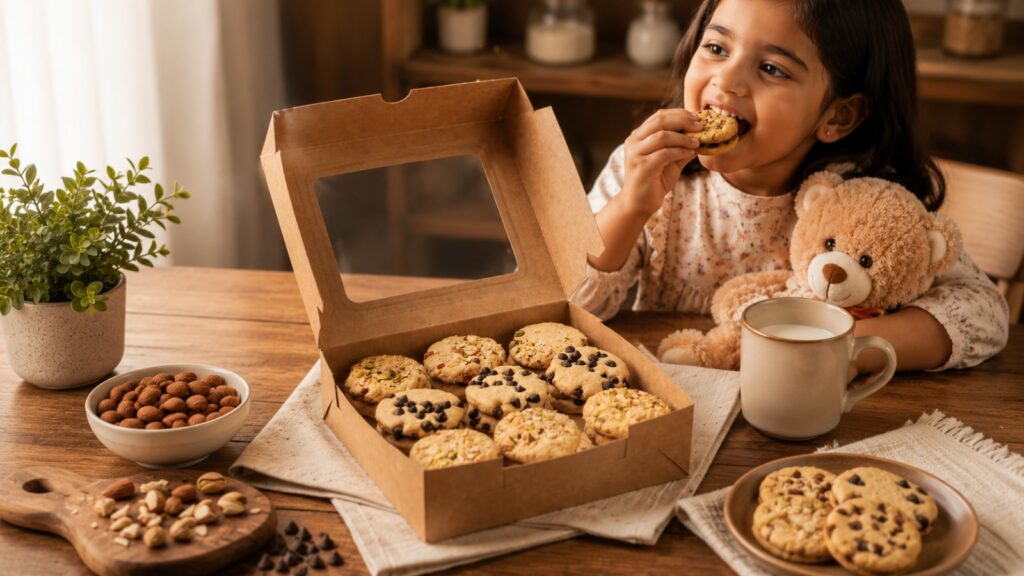
Chocolate Choco-Chip Biscuits
Chocolate is often a favourite among children and can make an occasional snack feel more exciting.
Dry Fruit Biscuits
Biscuits containing ingredients such as dates, raisins, or nuts can offer interesting flavours and textures.
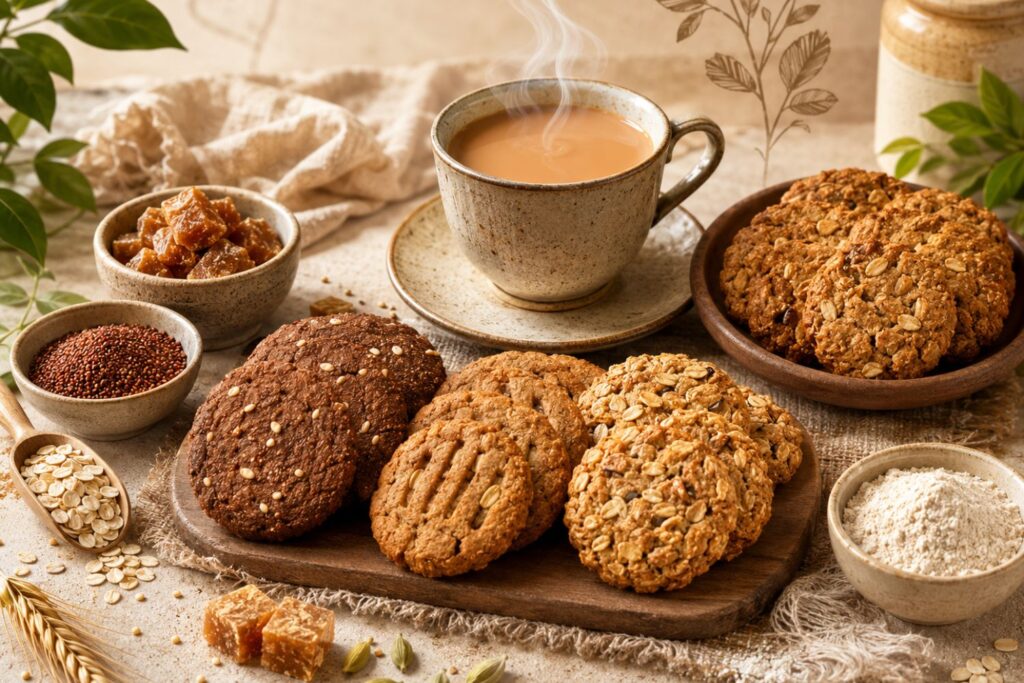
Whole Wheat Biscuits
Whole wheat biscuits can be a suitable option for parents who want to include more whole-grain-based snacks in their child’s routine.
The best choice depends on your child’s taste, age, dietary needs, and any known food allergies.
How to Choose the Best Homemade Biscuits for Kids
Choosing the right biscuit does not have to be confusing. A few simple considerations can help parents make a more informed decision.
4. Check the Level of Sweetness
Children often enjoy sweet snacks, but that does not mean every biscuit needs to be extremely sweet.
A biscuit with balanced sweetness can still taste delicious without overwhelming the other flavours.
Look for Balanced Flavours
For example, ingredients such as banana, dates, raisins, or certain fruits may contribute natural sweetness to a recipe.
The aim is simple: choose biscuits that your child enjoys while keeping their overall diet balanced.
5. Consider Your Child’s Age and Chewing Ability
Texture is especially important for younger children.
A very hard or crunchy biscuit may not be suitable for every child, while softer biscuits may be easier for some children to eat.
Soft vs Crunchy Biscuits
For younger children, parents may prefer softer, easy-to-bite options.
Older children may enjoy crunchier biscuits with nuts, seeds, or dry fruits.
Always supervise young children while eating and consider individual dietary and allergy requirements when choosing biscuits containing nuts or other common allergens.
6. Choose Flavours Your Child Already Enjoys
Parents sometimes buy a snack because it sounds nutritious, only to discover that the child refuses to take a second bite.
A practical approach is to begin with flavours your child already likes.
Start with Familiar Tastes
If your child enjoys:
- Bananas, try banana-based biscuits.
- Chocolate, choose a biscuit with a moderate chocolate flavour.
- Nuts, consider age-appropriate nut-based options.
- Dry fruits, explore biscuits made with dates or raisins.
Once your child finds a favourite, you can gradually introduce different flavours.
Snack time should not feel like a daily negotiation!
What Should Parents Look for When Buying Homemade Biscuits?
When purchasing homemade biscuits for kids, look at more than just the name of the product.
Here are a few useful points to consider:
- Ingredient transparency
- Fresh preparation
- Appropriate sweetness
- Texture suitable for the child
- Portion size
- Storage instructions
- Known allergens
- The reputation and food-handling practices of the bakery
A homemade label alone does not automatically tell you everything about a product. It is always helpful to understand what you are buying and choose according to your family’s needs.
Homemade Biscuits vs Regular Packaged Biscuits
| Feature | Homemade Biscuits | Regular Packaged Biscuits |
| Freshness | Often prepared in smaller batches | Usually designed for longer shelf life |
| Ingredient visibility | Can be easier to understand depending on the bakery | May vary significantly by brand |
| Flavour variety | Can include unique homemade combinations | Often focused on standard mass-market flavours |
| Texture | May feel more freshly baked | Designed for consistency and shelf stability |
| Customisation | Some bakeries may offer different ingredient options | Usually limited to available product varieties |
| Storage | May require more attention to storage guidance | Generally designed for convenient longer storage |
| Suitable choice | Depends on ingredients and individual needs | Depends on ingredients and individual needs |
The better option is not simply about whether a biscuit is homemade or packaged. The ingredients, preparation practices, freshness, and suitability for your child all matter.
Homemade Biscuits for School Tiffin and Evening Snacks
Biscuits can be especially convenient when parents need a quick snack for busy days.
Imagine a typical weekday morning. Breakfast is being prepared, the school bag still needs checking, and your child suddenly remembers they need a snack for later.
A thoughtfully chosen biscuit can be an easy addition to the tiffin box.
Ideas for Serving Biscuits to Kids
With Milk
A favourite biscuit paired with milk can make for a comforting after-school snack.
With Fruit
Serving a biscuit alongside fresh fruit can add variety to snack time.
In a School Tiffin
Choose an appropriate portion and pack the biscuits in an airtight container to help maintain their texture.
During Travel
Biscuits can also be a convenient snack for short trips when stored properly.
The key is variety and portion awareness rather than relying on any single food as the only snack option.
How to Make Biscuit Snack Time More Enjoyable
Children often enjoy food more when it feels interesting.
You do not need elaborate recipes or complicated presentations.
Try Small, Simple Ideas
You can:
- Serve two different biscuit flavours and let your child choose.
- Pair biscuits with seasonal fruit.
- Create a small after-school snack plate.
- Involve older children in selecting their favourite flavours.
- Reserve a special biscuit flavour for weekends or family tea time.
These little moments can make food feel more enjoyable and create positive family routines.
Expert Insights: What Matters Most When Choosing Biscuits for Children
From a practical food-selection perspective, parents should focus on the complete picture rather than one marketing claim.
A biscuit labelled “healthy,” “natural,” or “homemade” should still be evaluated based on its ingredients, sweetness, allergens, freshness, and suitability for the individual child.
The most sensible approach is to choose snacks from trusted food businesses that provide clear product information and to include biscuits as part of a varied eating routine.
For children with food allergies, medical dietary requirements, or specific nutritional concerns, parents should seek guidance from an appropriately qualified healthcare or nutrition professional.
Final Thoughts
Choosing homemade biscuits for kids can be a simple way to add variety and enjoyment to everyday snack time.
The best biscuit is not necessarily the fanciest one. It is one that suits your child’s taste, age, dietary needs, and your family’s preferences.
Whether your child loves the comforting flavour of banana and walnuts, the excitement of chocolate chips, or the rich taste of dry fruits, there are many delicious possibilities to explore.
By paying attention to ingredients, freshness, sweetness, texture, and portion size, parents can make biscuit choices with greater confidence.
After all, some of the happiest childhood food memories are surprisingly simple: a favourite biscuit, a warm drink, and a few peaceful minutes after a busy day.
At Annie’s Bake House, discover delicious homemade style biscuits crafted for enjoyable everyday snacking and special family moments.
People Also Ask
1. Are homemade biscuits good for kids?
Homemade biscuits can be a suitable snack option for kids when prepared with appropriate ingredients and served as part of a varied, balanced diet. Consider the child’s age, allergies, and individual dietary needs.
2. Which homemade biscuits are best for children?
The best homemade biscuits for children depend on their taste and dietary requirements. Popular options include banana walnut biscuits, whole wheat biscuits, dry fruit biscuits, and mild chocolate chip biscuits.
3. Can kids eat homemade biscuits every day?
Biscuits can be included in a child’s snack routine, but variety and portion size are important. It is generally helpful to rotate biscuits with fruits and other suitable snacks.
4. How do I choose healthy homemade biscuits for kids?
Look at the ingredient list, sweetness level, freshness, allergens, texture, and suitability for your child’s age. Choose products from trusted bakeries that provide clear information.
5. What biscuits are suitable for a school tiffin?
Biscuits that travel well, stay fresh when packed properly, and suit your child’s dietary needs can be convenient for a school tiffin. Choose an appropriate portion size and store them in an airtight container.
6. Are whole wheat biscuits better for kids?
Whole wheat biscuits can be one option for children, especially when parents want to include more whole-grain-based foods. However, the complete ingredient list and overall diet are also important.
7. What should I check before giving nut biscuits to kids?
Check for known allergies, consider the child’s age and ability to safely eat the biscuit, and review the ingredients carefully. Parents of children with allergies or special dietary needs should take appropriate professional guidance.